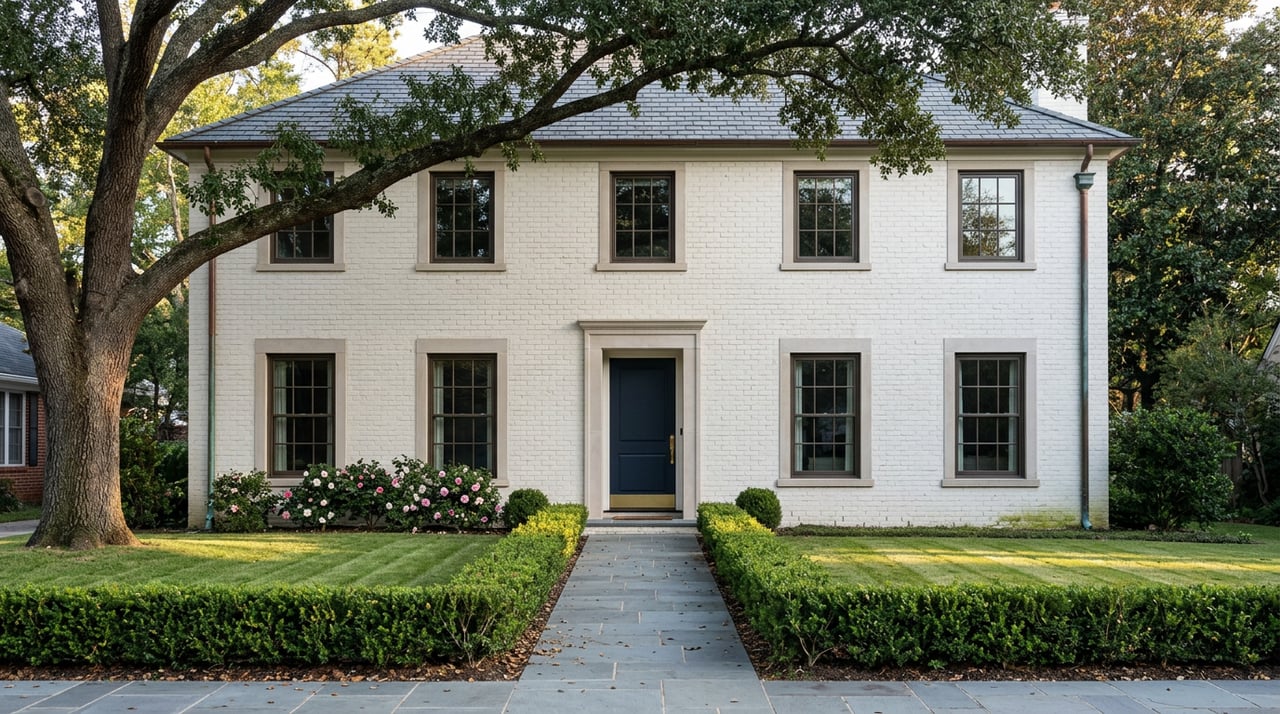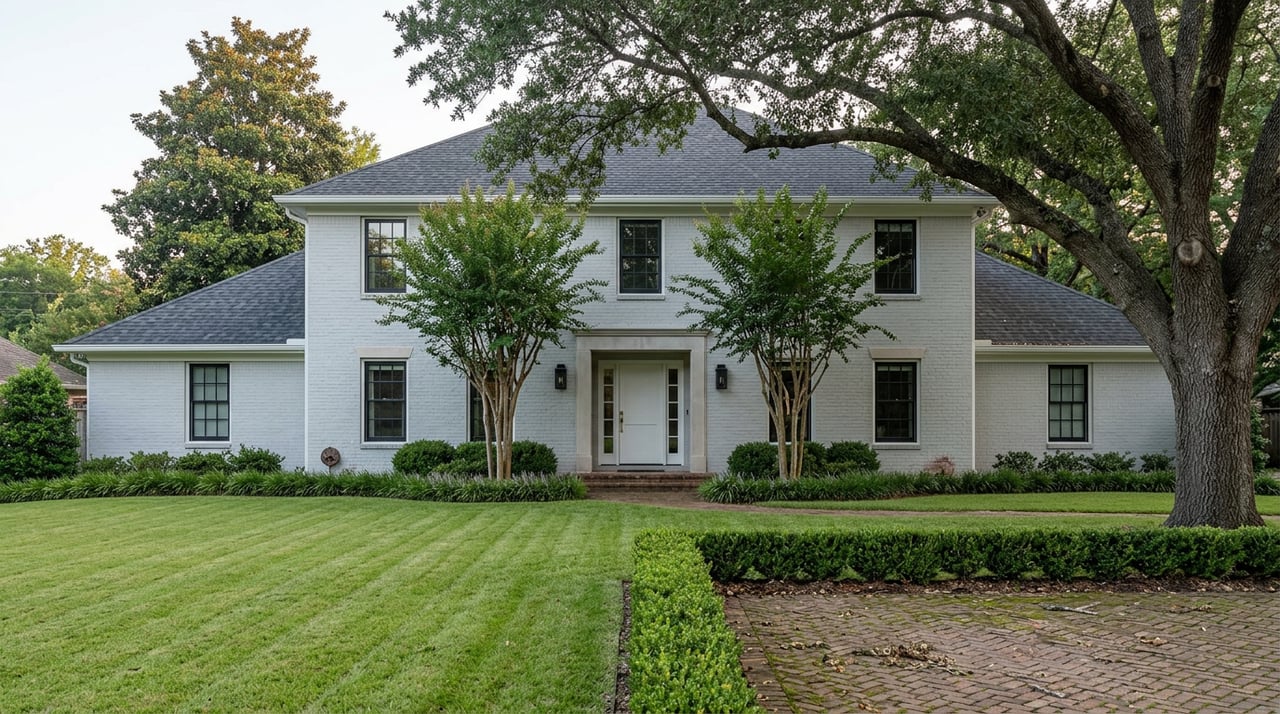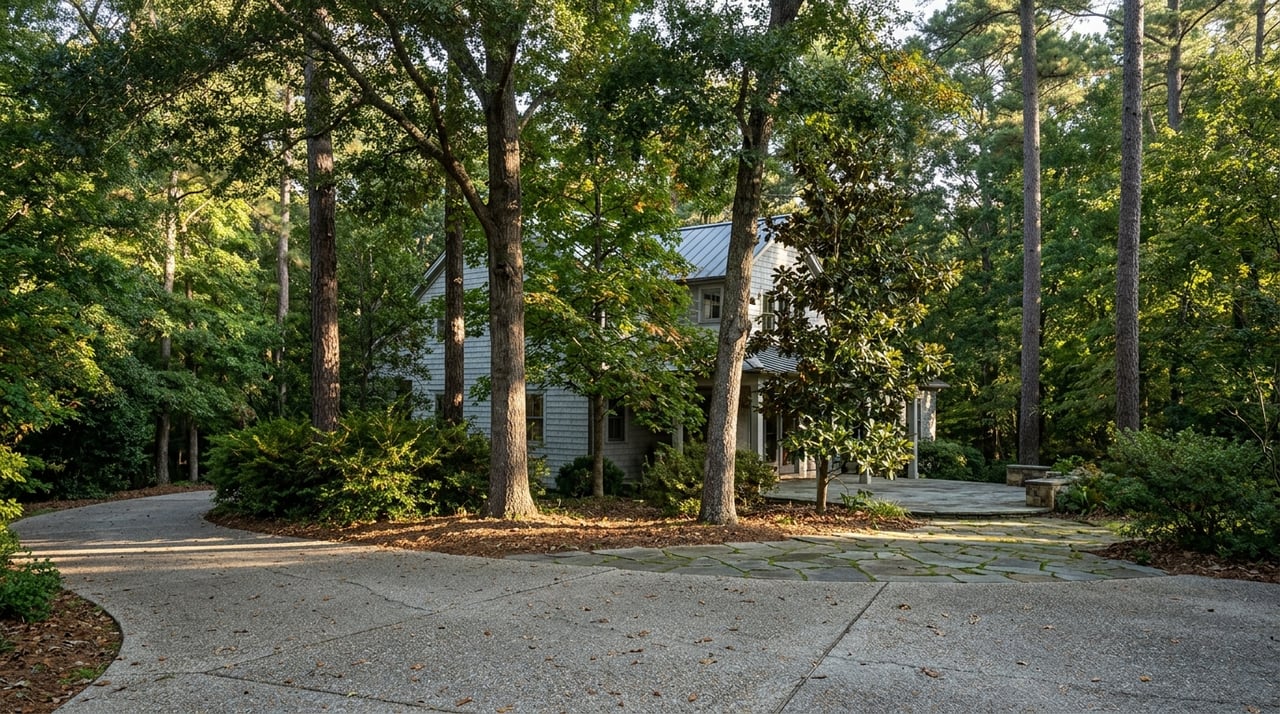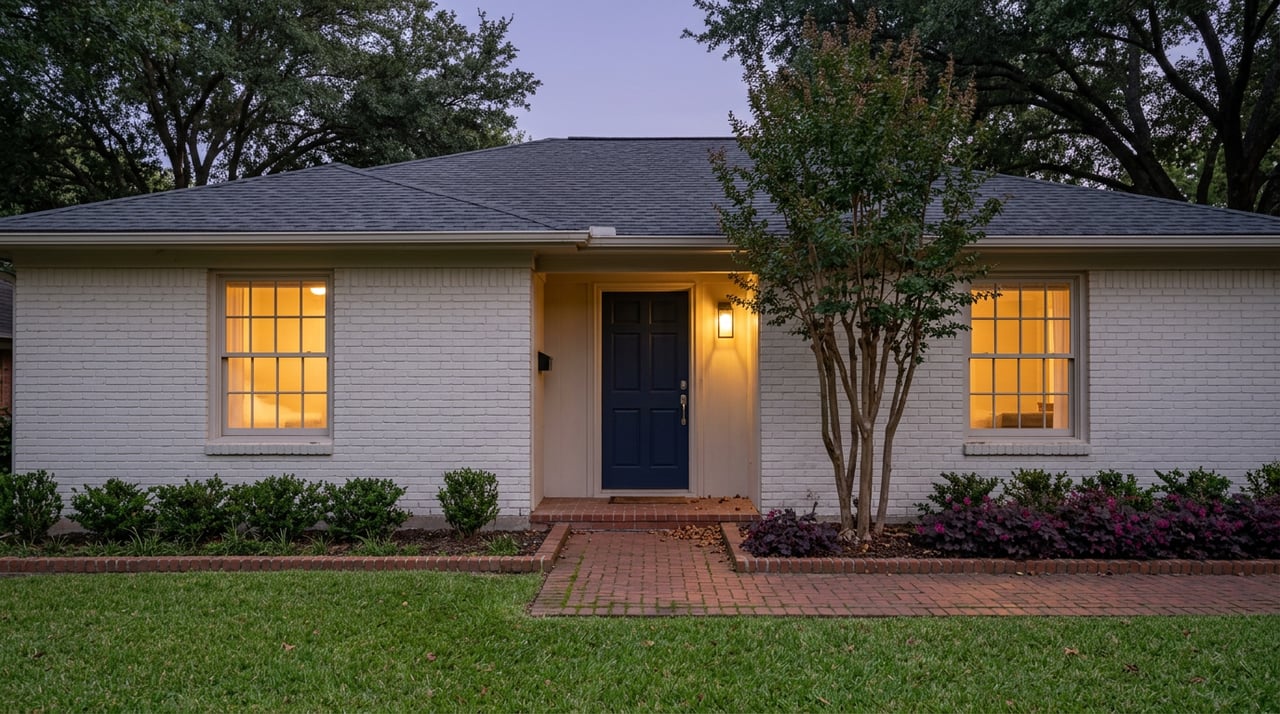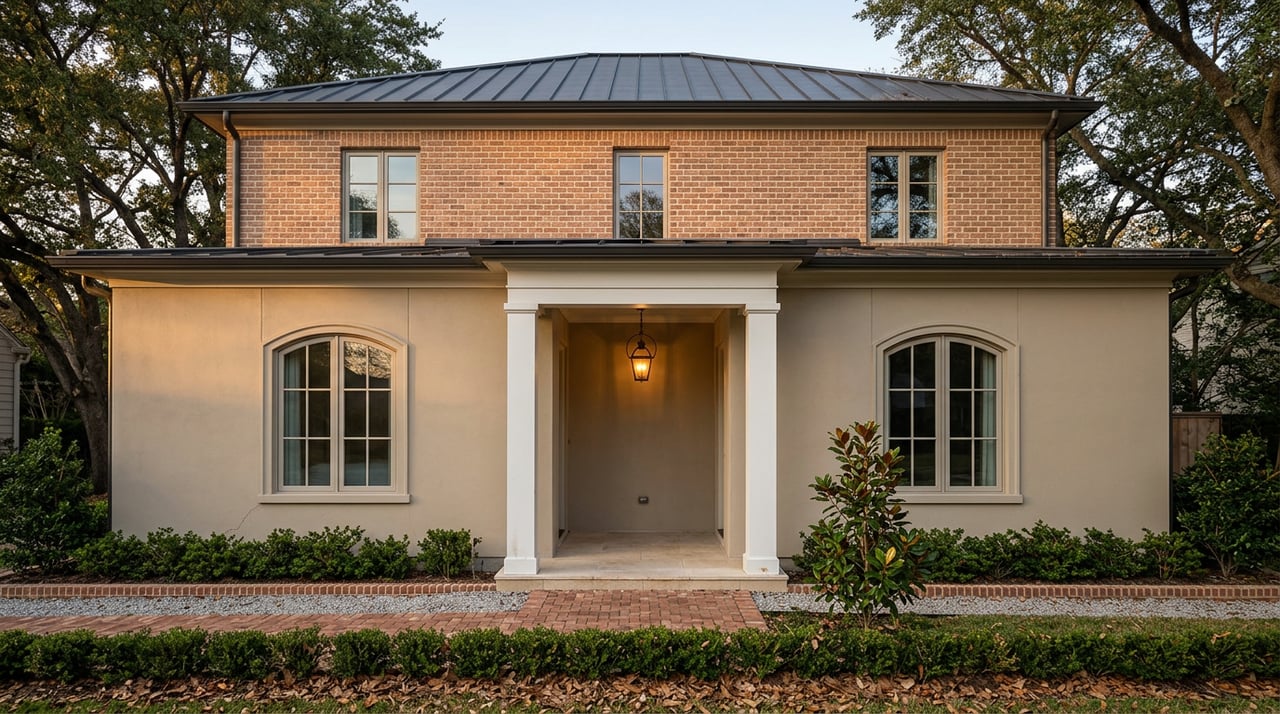
Scroll through active listings in West University Place this summer and you'll eventually hit one that reads differently than the rest. It mentions a corner lot, confirms the house didn't flood during Harvey, notes the short walk to Tiny's and Milk & Cookies, and lists the zoning to West University Elementary. Then it adds a single practical line: the house is livable, but the property is being sold for the lot, in its present condition. Nobody bothers describing the kitchen. The seller isn't pricing a home. They're pricing the ground underneath it.
That listing isn't an outlier. It's a preview of how West U actually prices real estate, and it explains something the median price on any portal search will never tell you: in this market, the number you're looking at is often an average of two entirely different products being sold under one roof figure.
One Price, Two Products
West University Place is a 2.1-square-mile incorporated city surrounded by Houston, sitting between Bellaire and the Rice University campus, with its own building department, its own permitting process, and its own deed restriction enforcement separate from the City of Houston. That independence matters because it means every teardown and every renovation in West U runs through the same fixed pipeline of city staff, the same fixed inventory of lots, and the same physical limits on what can be built on a 50 to 75 foot wide parcel.
When a market has that little room to expand its supply, the price of the land stops behaving like a footnote and starts behaving like the main event. A 90-year-old bungalow with original hardwoods and a home that was framed last year can post nearly identical per-square-foot prices, not because the finishes are comparable, but because buyers on both sides of that sale are really bidding on the same scarce commodity underneath.
The Builder's Math
Custom home builders who work West U lots routinely quote the transaction in two separate line items rather than one blended price. According to Saadi Construction Group, a builder that handles teardown-rebuild projects in the city, a typical project breaks down like this:
| Component | Typical Range | What Drives It |
|---|---|---|
| Existing lot (teardown value) | $600,000 to $1.5 million | Lot width, drainage grade, tree cover, location |
| Design and new construction | $1 million to $4 million | Square footage, finish level, outdoor scope |
Most West U lots run 50 to 75 feet wide, and after front, side, and rear setbacks are applied, the buildable envelope narrows to roughly 40 to 65 feet. That constraint alone caps how much square footage any builder can add without a variance, which the city grants rarely. Construction costs run higher here than a generic Houston estimate too, because the city tightened its drainage and finished-floor elevation standards after Hurricane Harvey, requiring a detailed grading and drainage plan on every new-construction submittal. None of that shows up in a median price. All of it shows up in the final number.
A Premium That Barely Moves
Here's the part that should reshape how you read a West U listing. In July 2026, the average home price across all West University Place listings was $2,075,090, at $552 per square foot. Homes specifically flagged as new construction averaged $2,152,300, at $571 per square foot.
That's a gap of roughly 4 percent.
If land were a minor input and craftsmanship or finish level drove most of the price, new construction should command a far wider premium over the blended market average. It doesn't, because the blended average already includes a large share of homes that are functionally teardowns priced almost entirely on their lots. The land value baked into an older, unrenovated house is already doing most of the work that a buyer might assume only a brand-new build could command. A four percent spread is not a renovation premium. It's rounding error on top of a land-driven baseline.
Who's Pouring the Concrete
The builder activity in West U backs this up. Princeton Building Group has been building in the city for more than 40 years and continues to take on new lots. West U Builders is currently underway on a lot on Annapolis Street, one of the city's most sought-after addresses. Parker-Evans Custom Builders recently completed a nearly 6,700 square foot home across three floors with architect Josh Jones, and Vita Homes and Covington Builders both have new-construction projects active in the city as well. Southern Green Builders completed a project this summer with architect Greg Swedburg of 2Scale Architects, replacing an aging house with a 4,100 square foot custom home designed around how the family actually lives day to day.
That much sustained builder competition on a fixed lot supply is itself a signal. Builders aren't speculating on West U land. They're responding to demand that has held steady long enough to justify the risk of a $1 million to $4 million build on top of a $600,000 to $1.5 million lot purchase, and much of that demand traces to things a spreadsheet can't price directly: walkability to Rice Village, proximity to the Texas Medical Center, and neighborhood fixtures like Wier Park, which recently upgraded its tennis and pickleball courts.
Reading a Listing Like a Builder Would
Once you understand that West U's median price is really two markets stitched together, a listing photo becomes more useful than the price-per-square-foot field. A few things worth checking before you factor a listing into your budget:
Look for language that signals the seller already knows the house won't survive underwriting as a livable structure: "sold as-is," "priced for lot value," or a cash-only requirement. These aren't red flags. They're the seller being honest about which market they're selling into.
Compare the lot dimensions against the 50 to 75 foot width and 40 to 65 foot buildable envelope that governs most of the city. A narrower or oddly shaped lot changes what you can build regardless of the asking price.
Ask whether the price per square foot you're comparing is measuring the same thing on both properties. A renovated home's price per square foot reflects finish level. A teardown's price per square foot is really the lot price divided by a structure that has little bearing on the final number.
FAQ
Does a renovated home ever out-price a full rebuild on a per-square-foot basis? It can, particularly when the renovation is recent, the lot is smaller than average, or the home occupies a premium block. But because land value dominates so much of the pricing in West U, a renovation rarely closes the gap with new construction by much. The four percent premium seen in July 2026 data suggests buyers aren't paying much extra for new finishes once the lot is factored in.
Do the post-Harvey drainage rules apply to renovations too, or just new construction? The city's finished-floor elevation and drainage standards apply most strictly to new construction and major rebuilds, since those projects trigger a full grading and drainage plan review. A renovation that doesn't touch the foundation or add significant impervious surface typically faces a lighter review, but any structural work should be confirmed directly with the city's building department before you budget a project.
If I'm comparing West U to another close-in Houston neighborhood, how do I know if the same land-value dynamic applies there? Check whether new construction commands a wide premium over the overall market average or a narrow one. A wide gap suggests the market is still pricing structure and finish separately from land. A narrow gap, like the one currently showing in West U, suggests land value has already absorbed most of the price regardless of what's built on it.
If you're weighing a purchase, a rebuild, or a sale in West University Place and want a read on whether a specific listing is priced as a home or as a lot, Mark Maniha has spent decades tracking exactly this kind of block-by-block detail across Houston's close-in neighborhoods. Let's Connect.